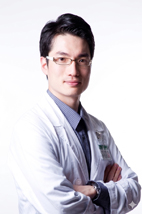
Specialties: Prenatal checkups and delivery, laparoscopic and endoscopic surgery (single-port laparoscopic surgery), laparoscopic myoma removal, hysterectomy, ovarian cyst removal, gynecological tumor surgery and chemotherapy, fetal ultrasound examination, treatment of female urinary incontinence, urinary frequency, and pelvic organ prolapse.
As Mother’s Day approaches, the streets are filled with
tributes to maternal love. However, for expectant mothers or those who have
just begun their journey into parenthood, this gift often carries a hidden
weight of anxiety.
From the moment those "two lines" appear,
countless "hearsays" follow: "Don't eat cold food,"
"Take pearl powder for fair skin," "Pregnancy makes you
stupid"... These folklore myths, often tinged with fear, can turn a time
of joy into a period of stressful restriction. This Mother's Day, we’ve decided
to use scientific logic to deconstruct the pregnancy myths that trouble you.
I. Diet: Don't Let Color and Temperature Limit You
Elders often say, "You are what you eat" in a
literal sense, but modern medicine finds most of this lacks evidence.
Skin Tone is a Genetic Blueprint, Not a Plate Color:
The most common myth is that milk or pearl powder makes a
baby "fair," while coffee or soy sauce makes them "dark."
In reality, a baby's skin tone is determined by parental genes the moment the
sperm and egg meet. Food pigments do not cross the placenta to deposit on the
fetus's skin. Instead of blindly taking expensive supplements for skin tone,
focus on balanced natural protein—the true fuel for your baby’s growth.
Cold Food and Respiratory Health
Eating ice or drinking cold water is often blamed for
"poor lung health" in babies. However, scientific research shows that
allergies or respiratory issues are primarily influenced by genetics and the
postnatal environment. Cold drinks are tempered by your body heat in the
stomach and do not "freeze" the fetus in the uterus. Enjoy them in
moderation to avoid excessive sugar or hygiene issues, rather than fear of
harming the baby's lungs.
The Double-Edged Sword of Supplements:
Traditional herbs like Ginseng or Angelica (Dang Gui) are
seen as tonics, but they aren't for everyone. Ginseng, for example, promotes
blood circulation; for mothers with high blood pressure or clotting issues, it
can increase the risk of postpartum hemorrhage. Always consult a qualified
physician before taking any supplements.

II. Physiology: You Aren't "Losing Your Mind,"
You're Just Working Hard
"Pregnancy Brain" is one of society's deepest
misunderstandings of mothers.
It’s Not Lack of IQ, It’s Lack of Sleep
There is no medical evidence that pregnancy lowers
intelligence. Forgetfulness or lack of concentration usually stems from drastic
hormonal changes, psychological stress regarding the baby's health, and—most
crucially—severe sleep deprivation. When your body is "manufacturing"
a human 24/7, your brain's processing speed naturally slows. It's not
"stupidity"; it's your body prioritizing energy for your child.
Medication Safety: Enduring Pain Isn't Always Better:
Many mothers refuse medicine for fevers or colds, fearing
it will harm the fetus. However, severe inflammation or persistent high fever
can often be more dangerous than doctor-prescribed, safe medications (typically
FDA Category B or C). Informing your doctor of your pregnancy and seeking
professional treatment is the best choice for both mother and child.
III. Lifestyle: The Balance of Movement and Rest
Exercise and Intimacy: Not Taboos, But Adjustments:
Unless a doctor advises bed rest due to specific risks
(like placenta previa), moderate exercise like walking or prenatal yoga
improves circulation and reduces swelling. Similarly, in stable pregnancies,
intimacy is safe. The fetus is well-protected by amniotic fluid and the
cervical mucus plug. As long as movements are gentle and the mother feels
comfortable, there is no need for guilt or fear.
IV. Conclusion: Love Starts with Taking Care of Yourself
The meaning of Mother's Day should not just be about
praising sacrifice, but about offering support.
Dear expectant mothers, there is no such thing as a
"perfect mother," only a "mother who loves her child most."
When faced with overwhelming information, remember: Science is your shield, and
professional doctors are your allies.
Taking care of your mood, eating healthily, sleeping
well, and exercising moderately is the best "prenatal education" you
can give. This Mother’s Day, let’s shed those old shackles and arm maternal
love with knowledge to gracefully welcome new life.
Happy Mother's Day to all expectant mothers and moms!