
Expertise: General infectious diseases, AIDS
Recent Ebola outbreaks in Africa have again drawn
international attention. After seeing news reports, many people may wonder:
“Can Ebola spread like a cold?” or “What should I do if I develop a fever after
returning from abroad?”
Ebola virus disease is indeed a serious infection. However,
it is not a common respiratory infection in the community. It is not spread by
mosquito bites, nor is it transmitted simply by passing someone in daily life.
What matters most is understanding how Ebola spreads, recognizing warning
symptoms, and seeking medical care correctly if there is a relevant travel
history.
What is Ebola virus disease?
Ebola virus disease is a type of viral hemorrhagic fever.
Outbreaks have mainly occurred in Central and West Africa. The virus may spread
from wild animals to humans and then from person to person through close
contact.
After exposure, the incubation period is usually 2 to 21
days. This means symptoms may appear several days to three weeks after contact
with the virus. Importantly, people are generally not contagious before
symptoms develop. Once fever, vomiting, diarrhea, or bleeding occurs, careful
medical evaluation, infection control, and isolation become essential.
How does Ebola spread?
Ebola mainly spreads through direct contact with the blood
or body fluids of an infected person, such as vomit, diarrhea, urine, saliva,
sweat, semen, or other body fluids. The risk is higher if contaminated fluids
contact broken skin or mucous membranes, such as the eyes, mouth, or nose.
Ebola may also spread through items contaminated with body
fluids, including bedsheets, clothing, needles, or medical equipment.
The public should understand that Ebola does not spread
rapidly in daily community life through respiratory droplets like influenza or
COVID-19. There is also no evidence that Ebola spreads through drinking water
or mosquito bites. Therefore, without travel to an affected area, contact with
suspected or confirmed patients, contact with relevant wild animals, or
exposure to contaminated body fluids, the risk of Ebola infection in everyday
life in Taiwan is very low.
What symptoms should we watch for?
Early symptoms of Ebola can resemble many other infections.
They may include sudden fever, severe fatigue, headache, muscle pain, and sore
throat. Later symptoms may include nausea, vomiting, abdominal pain, diarrhea,
skin rash, gum bleeding, bloody stool, shock, liver or kidney dysfunction, or
multiple organ failure in severe cases.
Because early symptoms are not specific, doctors do not
rely on symptoms alone. They also assess travel history, occupation, contact
history, and cluster exposure, often referred to as TOCC.
If you have recently visited the Democratic Republic of the
Congo, Uganda, or another officially listed affected area, and you develop
fever, headache, muscle pain, vomiting, diarrhea, abdominal pain, or bleeding
within 21 days after returning, do not take public transportation to seek
medical care on your own, and do not conceal your travel history. The correct
step is to wear a mask, seek medical care promptly, actively inform healthcare
workers of your travel and contact history, and call the 1922 disease
prevention hotline if assistance is needed. Public health authorities can help
arrange an appropriate medical evaluation pathway when necessary.
Early supportive care is the key to
treatment
There is no simple “take medicine at home and recover”
treatment for Ebola. Clinical care focuses on early supportive management,
including fluid replacement, electrolyte correction, blood pressure and oxygen
support, management of bleeding or organ dysfunction, and prevention or
treatment of secondary infections.
Some Ebola virus species have specific vaccine or treatment
options, but available vaccines and treatments differ by virus type. For
Bundibugyo ebolavirus, there is currently no approved specific vaccine or
licensed disease-specific treatment; care remains mainly early supportive
management. Public health and medical strategies should follow the latest
recommendations from international health authorities and Taiwan CDC.
How can the public prevent Ebola?
First, avoid non-essential travel to Ebola-affected areas.
If travel is necessary for work, humanitarian missions, or other essential
reasons, check Taiwan CDC’s international travel health notices before
departure and seek travel medicine consultation.
Taiwan CDC has raised the travel health notice for the
Democratic Republic of the Congo and Uganda to Level 3: Warning. The public
should avoid non-essential travel to these areas.
Second, in affected areas, avoid contact with or
consumption of wild animals such as fruit bats, monkeys, and apes. Meat should
be thoroughly cooked. Do not touch animals of unknown origin, animal carcasses,
or blood.
Third, avoid contact with the blood or body fluids of
suspected patients. Do not participate in high-risk caregiving or
funeral-related contact without proper protection. If patient care is required,
it should be performed by trained personnel wearing appropriate personal
protective equipment.
Fourth, after returning from an affected area, monitor your
health for 21 days and check your body temperature daily. If suspicious
symptoms develop, actively inform healthcare workers about your travel and
contact history so that the medical team can quickly assess the risk and
initiate appropriate protection.
Far Eastern Memorial Hospital reminder: Correct reporting
matters more than fear
When facing Ebola, the most important response is not
panic, but awareness, early reporting, and proper medical care.
For the general public, the risk of infection is very low
without travel to an affected area or high-risk exposure. However, for people
with relevant travel history and symptoms, early reporting protects not only
themselves, but also their family members, healthcare workers, and the
community.
The Division of Infectious Diseases and infection control
team at Far Eastern Memorial Hospital continue to follow Taiwan CDC and
international updates. We maintain preparedness through travel history
screening, suspected case reporting, isolation pathways, and appropriate
healthcare worker protection.
If you or your family members have recently traveled to an
Ebola-affected area in Africa and develop fever, vomiting, diarrhea, or
bleeding after returning, please wear a mask, seek medical care promptly, and
actively inform healthcare workers of your travel history, contact history, and
symptom onset date. If you are unsure how to seek medical care safely, please
call 1922 for assistance. One early reminder can be the key step in preventing
further transmission.
Frequently Asked Questions
Q1: Can Ebola spread through the air?
In everyday settings, Ebola is not primarily airborne. It
mainly spreads through direct contact with the blood or body fluids of an
infected person.
Q2: If I develop fever after returning from Africa, does it
mean I have Ebola?
Not necessarily. Fever may be caused by malaria, dengue
fever, typhoid fever, respiratory infections, or other diseases. However, if
you have traveled to an affected area, you must actively inform your doctor.
Q3: How long should I monitor my health after returning?
Because the incubation period can be up to 21 days, people
with relevant travel history should monitor their health for 21 days after
returning.
Q4: When should I call 1922?
If you develop fever, headache, muscle pain, vomiting,
diarrhea, abdominal pain, or bleeding within 21 days after returning from an
affected area and are unsure how to seek medical care safely, call 1922. Public
health authorities can help arrange appropriate medical care when necessary.
Sources
1.
Taiwan Centers for Disease
Control, Ministry of Health and Welfare: Ebola Virus Disease introduction.
2.
Taiwan Centers for Disease
Control, Ministry of Health and Welfare: International travel health notices
and Ebola outbreak news releases.
3.
World Health Organization.
Ebola disease caused by Bundibugyo virus, Democratic Republic of the Congo and
Uganda, 2026.
4.
World Health Organization.
Ebola virus disease: health topic overview.
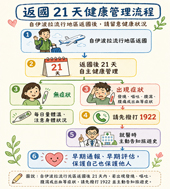
Figure 1. Schematic flowchart of 21-day health monitoring
after returning from an Ebola-affected area
Figure caption: Within 21 days after returning from an
Ebola-affected area, if fever, vomiting, diarrhea, or bleeding develops, wear a
mask, seek medical care promptly, and actively inform healthcare workers of
your travel history. Call 1922 if assistance is needed.
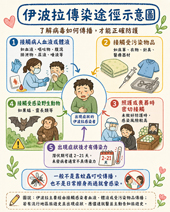
Figure 2. Schematic illustration of Ebola transmission
routes
Figure caption: Ebola mainly spreads through contact with
an infected person’s blood, body fluids, or contaminated items. If you have
travel history to an affected area and develop symptoms, seek medical care
promptly and actively inform healthcare workers of your travel history.