Specialties: Stroke, cerebrovascular diseases, acupuncture treatment for stroke (currently limited to inpatients), repetitive transcranial magnetic stimulation (rTMS).
Every year, seasonal changes and sudden fluctuations in
temperature are accompanied by an increase in the number of stroke patients,
making stroke one of the most common neurological emergencies seen in the
emergency department. According to statistics, approximately one in every six
people will experience a stroke during their lifetime. Stroke is also one of
the leading causes of long-term disability in adults, affecting not only
patients' quality of life but also placing a substantial burden on their
families. The good news is that most strokes are preventable through
appropriate management of modifiable risk factors.
Types of Stroke
Stroke can be broadly classified into two major
categories: hemorrhagic stroke and ischemic stroke.
Hemorrhagic stroke accounts for approximately
one-quarter of all strokes and is most commonly caused by hypertension or
structural abnormalities of intracranial blood vessels, such as cerebral aneurysms.
Ischemic stroke accounts for approximately
three-quarters of all cases and results from obstruction of cerebral blood
flow. Common causes include large artery stenosis (such as carotid artery or
intracranial artery disease), small vessel occlusion, and embolic events caused
by atrial fibrillation, cancer, or coagulation abnormalities associated with
severe infection.
Regardless of the underlying mechanism, interruption of
blood supply or bleeding into the brain leads to neuronal injury and may result
in permanent neurological deficits and disability.
Risk Factors
Stroke rarely occurs without warning. Instead, it is
usually the consequence of years of accumulated vascular risk factors.
1. Hypertension, Diabetes
Mellitus, and Hyperlipidemia
Long-standing hypertension accelerates arterial
stiffening and narrowing while also increasing the risk of intracerebral
hemorrhage. Elevated blood glucose and high levels of low-density lipoprotein
(LDL) cholesterol promote vascular inflammation and endothelial injury,
eventually leading to atherosclerosis.
2. Metabolic Syndrome and
Physical Inactivity
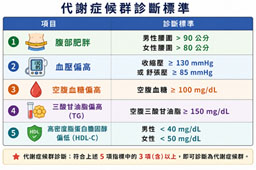
Metabolic syndrome is diagnosed when three or more of
the following five criteria are present:
- Abdominal
obesity
- Elevated
blood pressure
- Fasting
plasma glucose >100 mg/dL
- Fasting
triglycerides >150 mg/dL
- Reduced
high-density lipoprotein (HDL) cholesterol
Compared with the general population, individuals with
metabolic syndrome have approximately a six-fold higher risk of developing
diabetes mellitus, a four-fold higher risk of hypertension, a three-fold higher
risk of hyperlipidemia, and nearly double the risk of stroke. Regular exercise
combined with a healthy diet is among the most effective ways to prevent
metabolic syndrome.
3. Smoking
Nicotine increases blood pressure and accelerates
atherosclerosis, thereby increasing the risk of stroke.
4. Alcohol Consumption
Excessive alcohol intake may elevate blood pressure and
cause dehydration. Many Asians also have reduced alcohol tolerance due to
slower acetaldehyde metabolism, allowing acetaldehyde to accumulate in the
body. This may damage both blood vessels and the nervous system.
5. Atrial Fibrillation
Atrial fibrillation causes blood flow stasis and
turbulence within the atria, promoting thrombus formation that may subsequently
embolize to the brain.
6. Obstructive Sleep Apnea
Many people are unaware that poor sleep quality and
habitual snoring are associated with stroke. Studies have shown that
obstructive sleep apnea causes intermittent nocturnal hypoxia, which damages
the cardiovascular system and increases stroke risk by approximately two- to
three-fold.
Stroke Prevention
Once the risk factors are understood, effective
prevention becomes possible.
1. Exercise Regularly
Exercise is one of the best "medicines" for preventing
stroke. Taiwan's Health Promotion Administration recommends at least 30 minutes
of physical activity every day. The total exercise time may be accumulated in
multiple sessions, provided that each session lasts at least 10 minutes. For
example, 30 minutes of daily exercise may be divided into two 15-minute
sessions or three 10-minute sessions. Moderate-intensity exercise, during which
you can still carry on a conversation while breathing slightly harder than
usual, is recommended. Consistency is the key to protecting cardiovascular and
cerebrovascular health.
2. Control Blood Pressure, Blood
Sugar, and Blood Lipids
Regularly monitor your blood pressure and maintain a
healthy diet that is low in salt and unhealthy fats while rich in fruits and
vegetables. Limit sugary beverages, such as bubble tea with full sugar, and
avoid deep-fried foods. Periodic screening of fasting blood glucose, glycated
hemoglobin (HbA1c), and blood lipid levels helps detect metabolic abnormalities
early. If hypertension, diabetes, or hyperlipidemia has already been diagnosed,
adherence to your physician's recommendations and prescribed medications can
effectively reduce stroke risk.
3. Quit Smoking and Limit Alcohol
Consumption
Quitting smoking and reducing alcohol intake can be
challenging. If needed, seek assistance from smoking cessation or alcohol
cessation clinics.
4. Detect and Treat Atrial
Fibrillation and Obstructive Sleep Apnea
These conditions are often overlooked but can be
detected through routine health examinations, such as electrocardiography, or
by symptoms such as habitual snoring. Consultation with a cardiologist or a
pulmonologist can facilitate appropriate diagnosis and treatment.
How to Recognize a Stroke
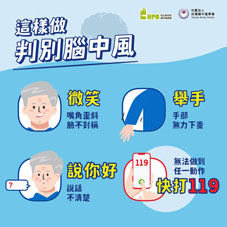
Remember Taiwan's public stroke awareness slogan:
"Smile, Raise Both Arms, and Say Hello."
If you notice facial asymmetry while smiling, weakness
or drift of one arm when both arms are raised, or slurred or abnormal speech,
seek emergency medical attention immediately.
Stroke Treatment
Significant advances have been made in the acute
treatment of ischemic stroke.
1. Intravenous Thrombolysis
Eligible patients who present within 4.5 hours of
symptom onset may receive intravenous thrombolytic therapy to dissolve the clot
and restore blood flow.
2. Mechanical Thrombectomy
Patients with acute large vessel occlusion may be
eligible for endovascular mechanical thrombectomy within 24 hours of symptom
onset, depending on imaging findings.
Secondary Prevention
Preventing recurrent stroke is the most important goal
after an initial stroke. Long-term management includes strict control of
vascular risk factors and adherence to prescribed medications, including
antiplatelet agents or anticoagulants, antihypertensive drugs, glucose-lowering
medications, and lipid-lowering therapy. Remember that these medications are
prescribed to prevent another stroke. Even if symptoms have completely
resolved, medications should never be discontinued without consulting your
physician.
Conclusion
Although stroke is a potentially devastating disease,
it is far from inevitable. Remember the stroke warning signs—"Smile, Raise
Both Arms, and Say Hello." If any abnormality is observed, call emergency
medical services immediately and seek prompt treatment to maximize the chance
of recovery and minimize long-term disability. Regular exercise, control of
blood pressure, blood glucose, and cholesterol, routine health examinations,
smoking cessation, and moderation of alcohol consumption can all substantially
reduce the risk of stroke and help protect lifelong brain health.